



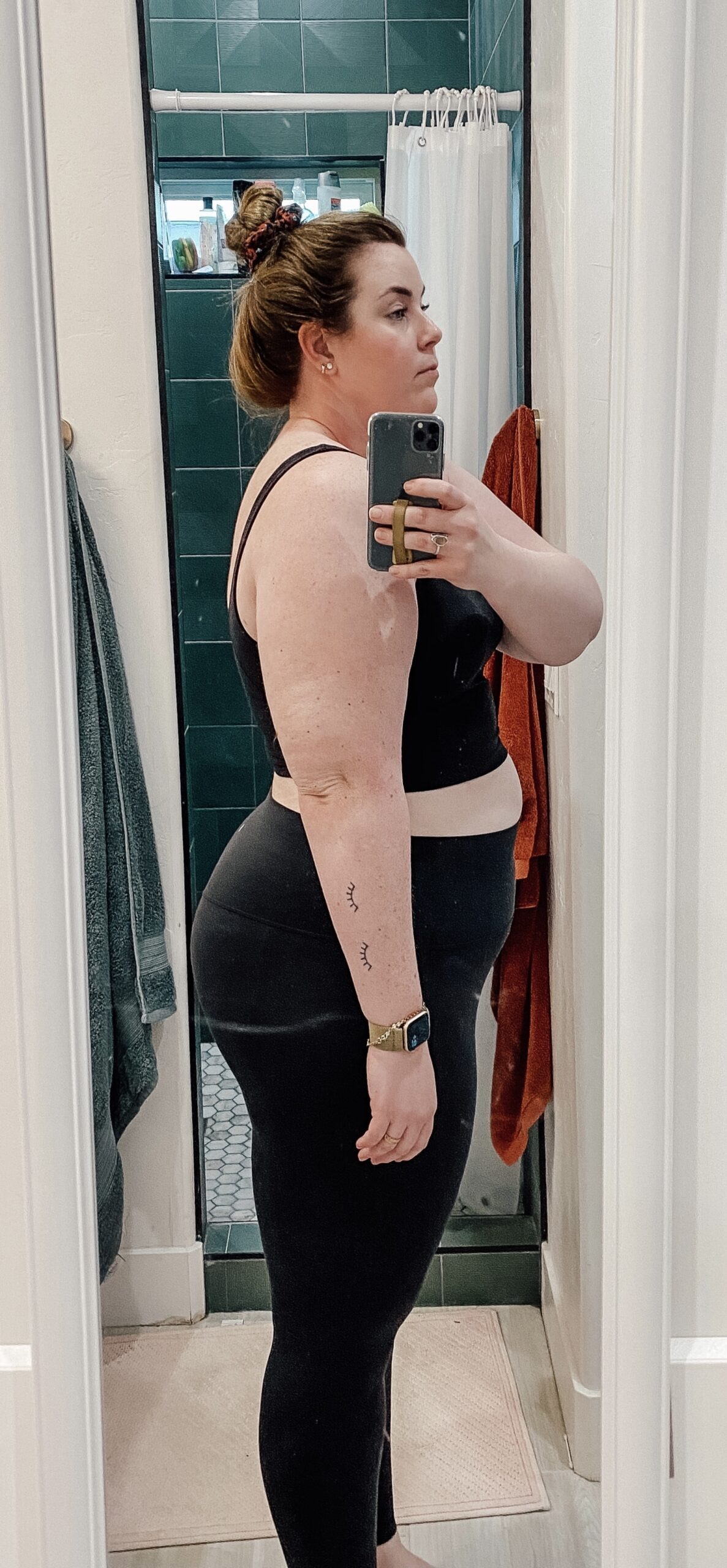
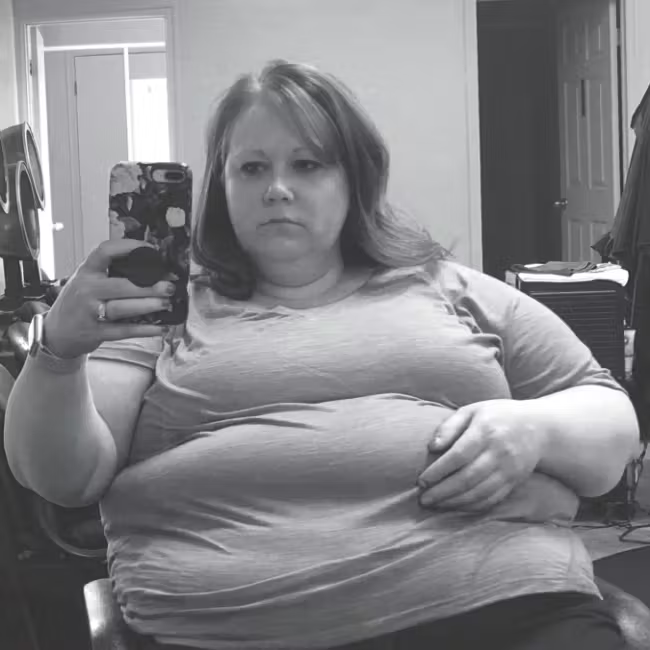
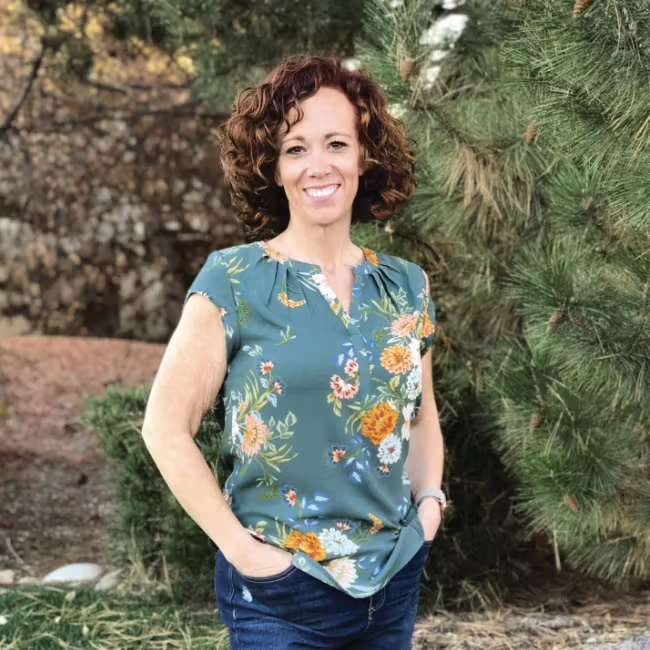
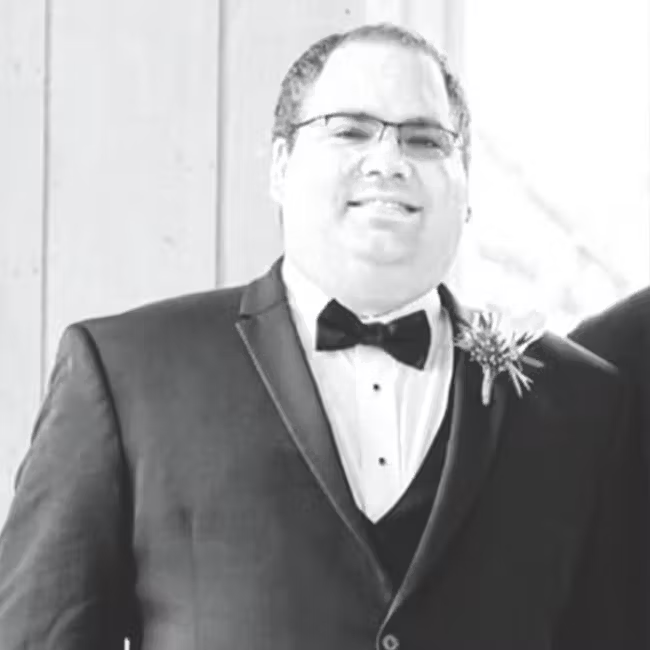
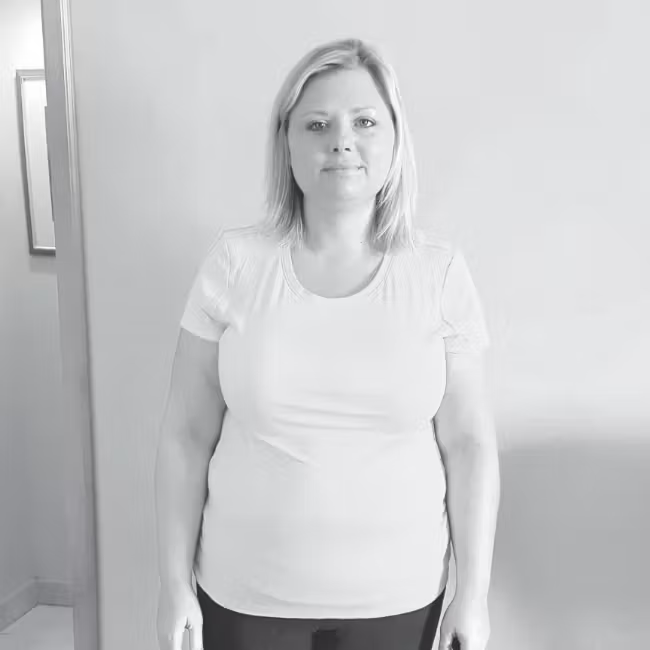
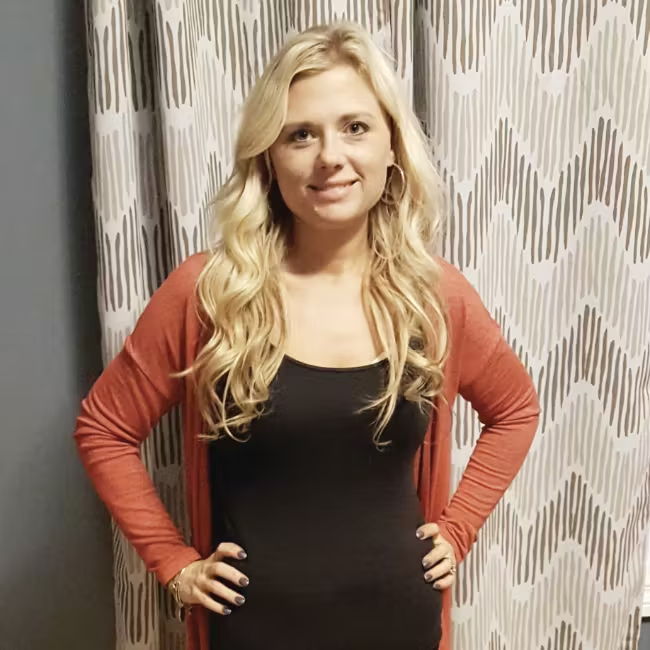
Some of Our Patient Before & After Images
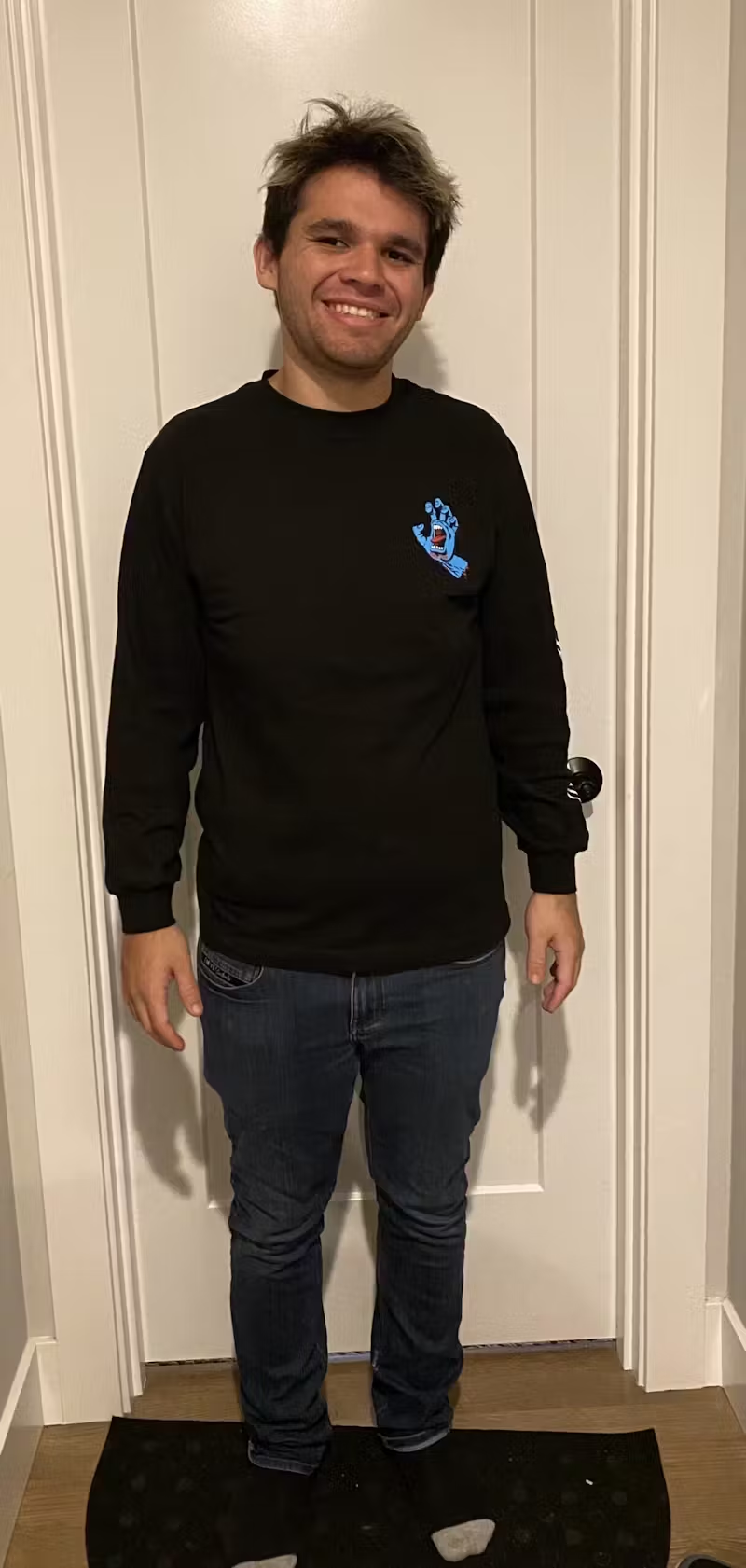
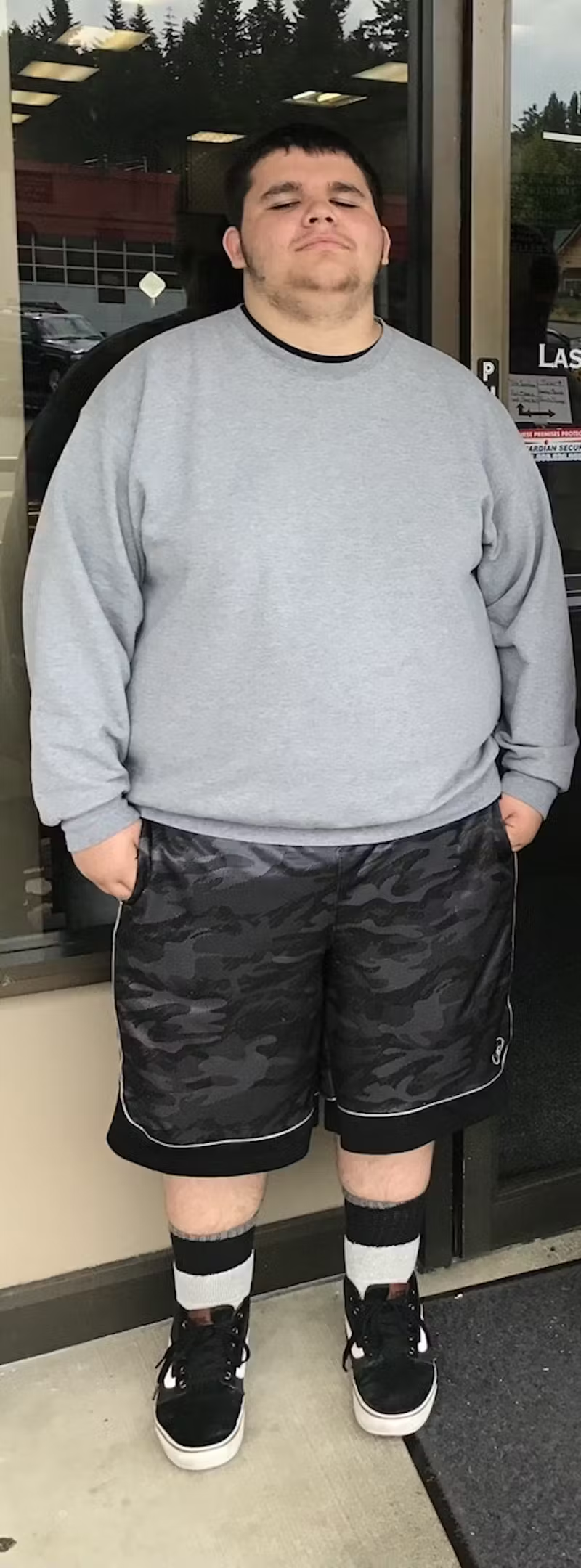

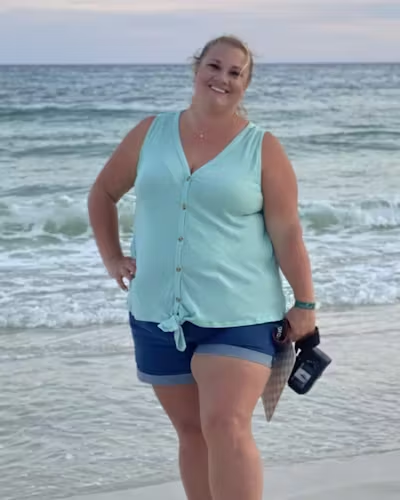
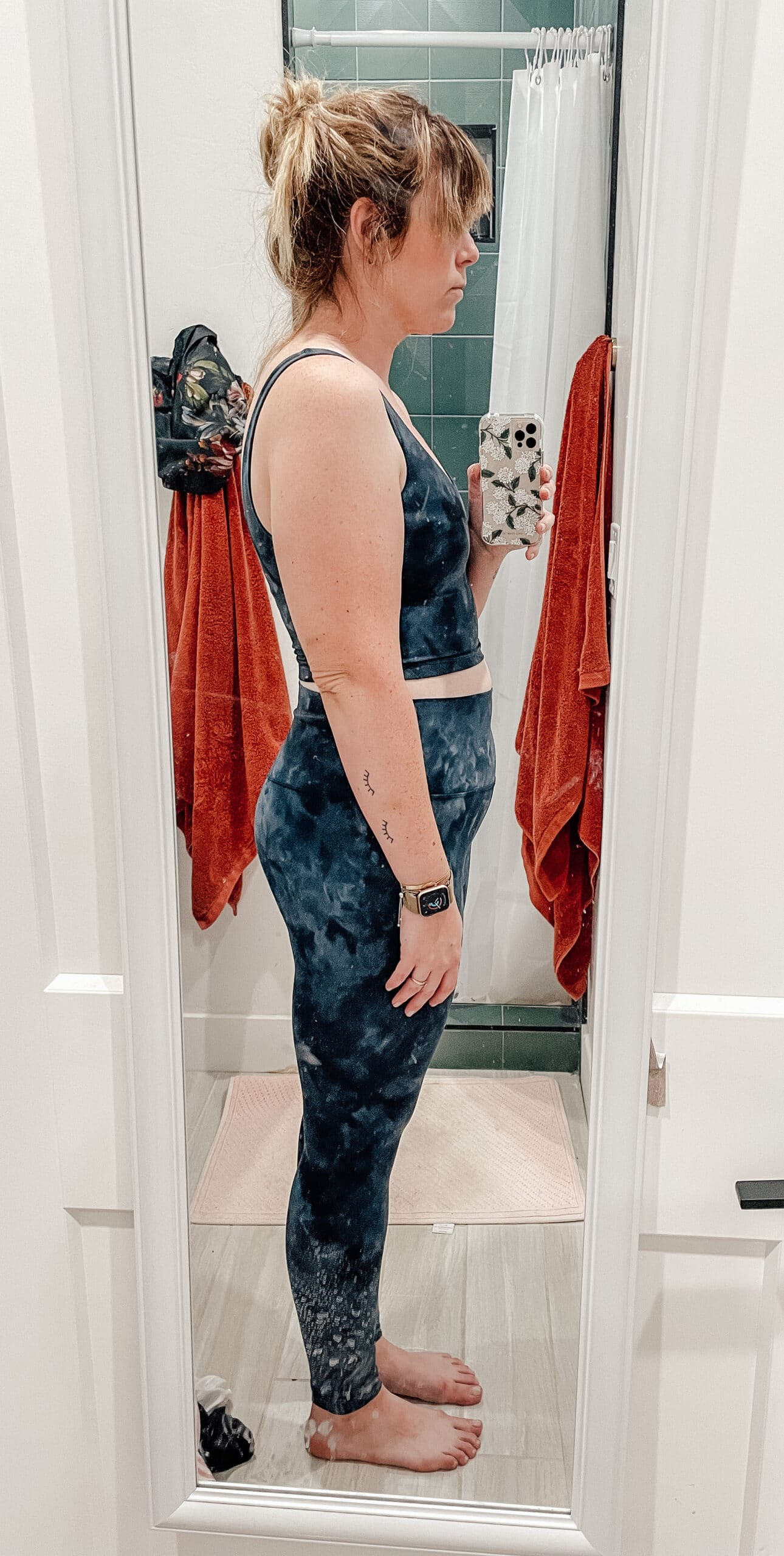

What are the benefits of gastric sleeve rescue at OCC?
If your original gastric sleeve surgery didn’t give you the results you expected, a rescue at Obesity Control Center in Tijuana, Mexico, could be the solution.
Here’s how you can benefit:
Get Back on Track with Weight Loss
Fix Problems from Your First Surgery
Relieve Side Effects
Improve Health Conditions
Safe, Expert Surgery
Faster Recovery, Less Pain
Long-Term Support
Affordable, All-Inclusive Pricing
Will my stomach expand after surgery?
It’s normal for the stomach to expand over time after a sleeve gastrectomy.
Much of the initial minimal gastric capacity is related to the inflammation and scarring that occurs during the recovery time, which can take six to eight months to resolve.
After this time, the stomach regains elasticity and relaxes to accommodate more food. This increase in capacity usually allows most patients to eat a third of a typical meal. In most cases, the reduced capacity is sustained, or increases very little in the following years. Many patients eat less than half of the food they consumed before this rescue surgery.
What Our Patients Say
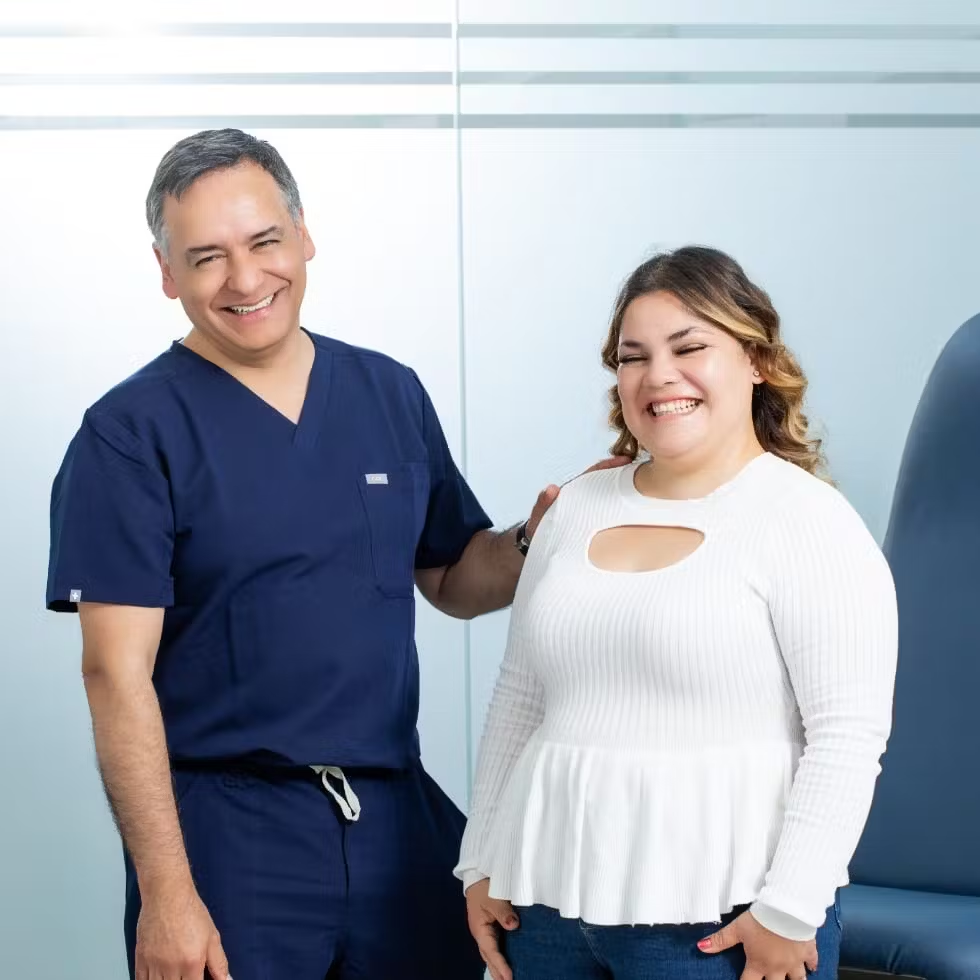
Real stories from patients who trusted OCC with their weight-loss journey.
Why choose OCC for Gastric Sleeve Rescue/Tightening in Mexico?
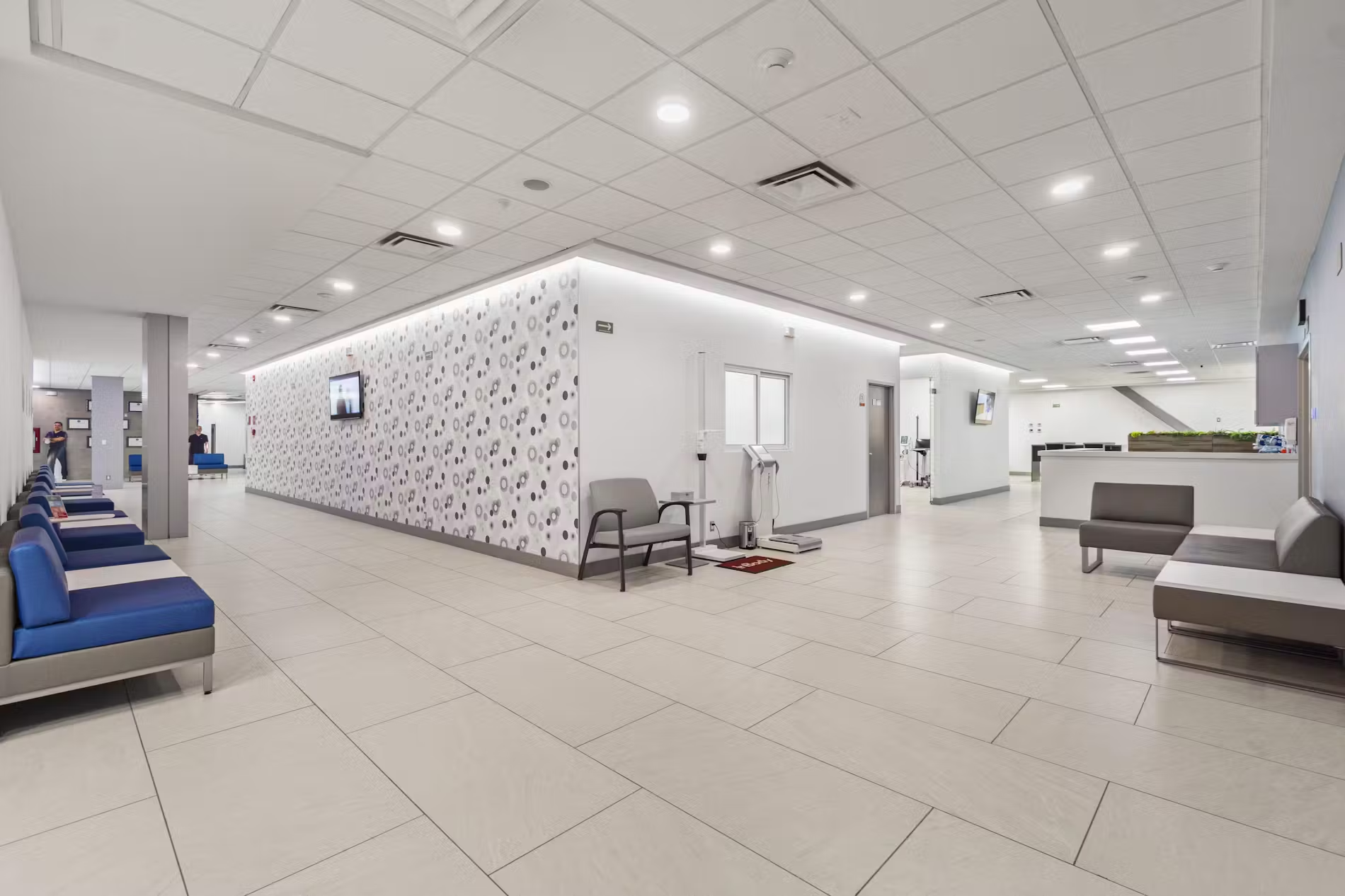
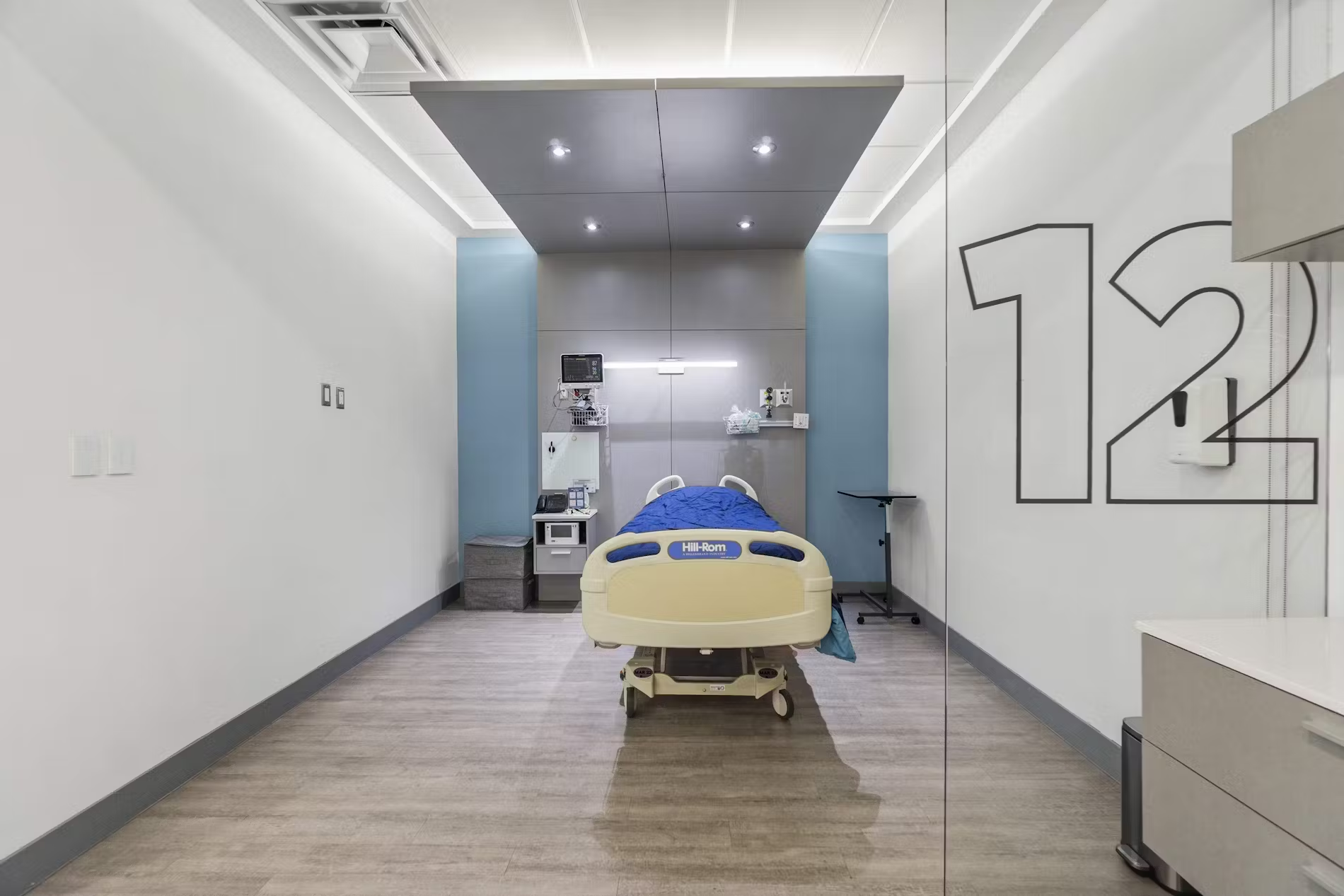
OCC has international recognition, holds U.S. certifications, and has an impressive track record of successful bariatric rescue surgeries. Our state-of-the-art facility is located just one mile south of the border. We transport you in our private luxury van directly from San Diego airport to our facility, a 30-minute trip. Every detail is geared to make your journey to weight loss positive and rewarding – as well as exceptionally safe. Our treatments are customized for the individual patient and developed to address obesity-related health issues, and every treatment includes a 5-year follow-up program. Obesity can be treated with the most advanced surgeries with improved outcomes and a shorter recovery time – and we are known as worldwide leaders.


The Most Accredited Hospital
Global Healthcare Accreditation
Gold Seal Of Approval For Joint Commission

Quality Management Solutions
International Center of Excellence
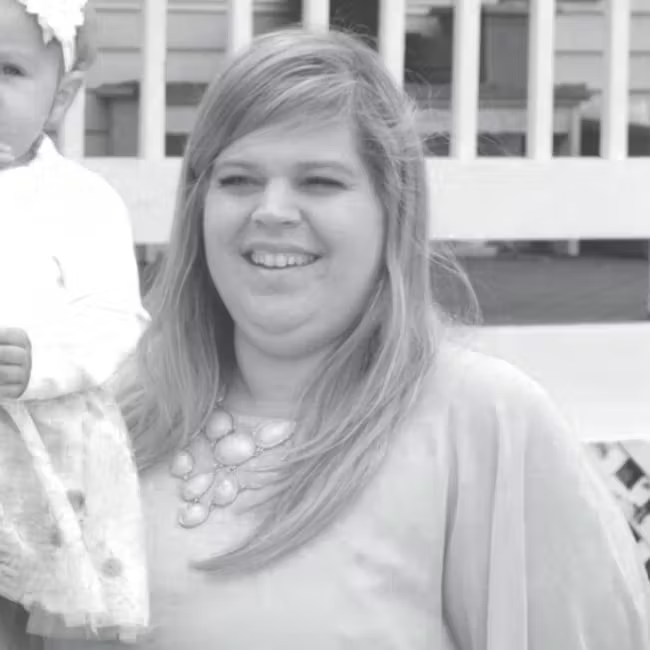
Patient Success Stories







Details of the gastric sleeve rescue surgery
First, a sizing or calibration tube is placed in the stomach to provide a template for the surgeon. Some bariatric surgeons prefer a small, medium, or even large calibration device. If a surgeon uses the larger calibration device, there will be more stomach capacity after the healing process. If the capacity of the stomach reaches 2/3, it can lead to weight regain and excess weight. Another technical factor concerns the use of stomach staples. If a surgeon isn’t careful about positioning the staples, the bariatric surgery may result in a larger stomach with greater capacity.
This technical error can also make it difficult to lose weight and often leads to weight regain. Some bariatric surgery patients have a technically perfect procedure, but the capacity of the stomach increases to the point of causing weight regain. This increase could be due to a bariatric patient’s unique elastic capacity of the stomach. In other words, the stomach pouch can stretch or relax to hold more food in some people, which leads to weight gain. Learn more about your rescue options.
FAQ
One of the most common complaints from sleeve patients after their initial procedure is the discomfort of ongoing gastric reflux. In more than one study, the development or recurrence of a hiatal hernia after a sleeve gastrectomy leads to gastric reflux. During a gastric sleeve rescue procedure in Tijuana, MX, we can repair the hernia with a quick and very low-risk procedure that yields excellent results for acid reflux control.
The added complexity of rescue surgery sometimes raises the risks of complications. However, our team at the Obesity Control Center is meticulously detailed and experienced, ensuring a safe outcome. Possible complications include bleeding, infection, blood clots, incisional hernia formation, and poor reactions to anesthesia. Digestive issues may also arise due to the changes in the stomach anatomy. Make sure to go over all potential risks of gastric sleeve rescue surgery with your doctor to make sure it is the best choice for you.
There are many factors beyond the patient’s control that can sometimes lead to putting the weight back on. These may include hormonal fluctuations, dilation of the stomach pouch, widening of the pathway between the stomach and the small intestine, and alterations to the patient’s metabolism after the original bariatric surgery.
Weight loss surgeries and rescue surgeries are recommended based on each patient’s unique needs and goals. Each situation is reviewed and assessed individually to ensure its safety and success.
Not in this case. Good candidates are patients who have gained weight after an initial sleeve gastrectomy and are committed to following a healthy lifestyle.
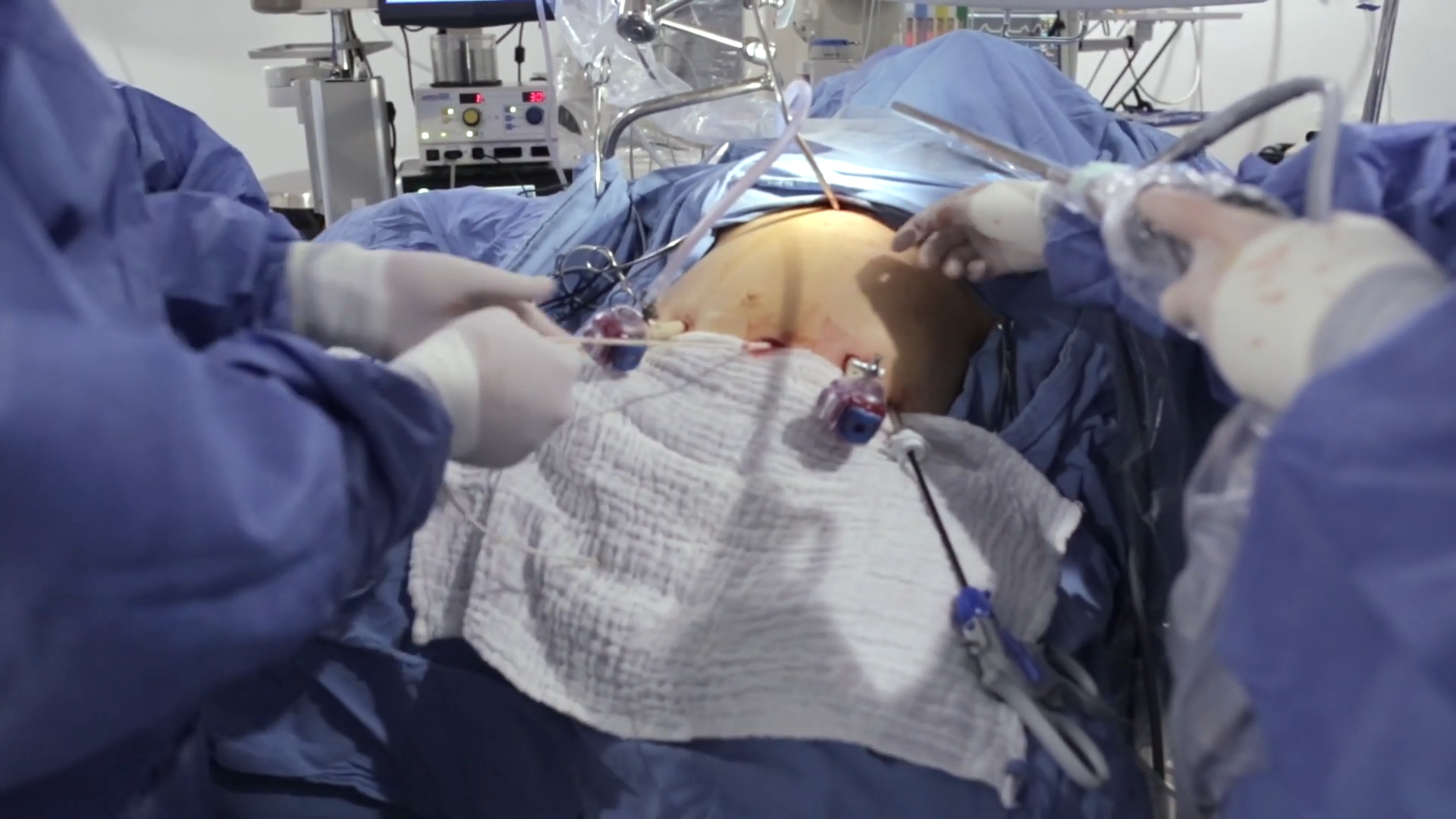
The entire process usually takes several hours. You will be asked to arrive an hour prior to your surgery time. The rescue process itself can take just 30 minutes to complete. Afterward, our team will monitor you for several hours, providing IV fluids and pain or nausea medications to ensure your comfort. Once you are ready, you will be discharged and sent home with a personalized aftercare plan.
Most patients stay just 2–3 days in Tijuana. This includes a night at the hospital and a short recovery period at our partner hotel nearby, with medical staff on call. Our team arranges all local transportation for a smooth and comfortable experience.
Yes. In some cases, patients may benefit more from a different procedure, such as a gastric bypass or Mini Gastric Bypass. Our surgeons will assess your anatomy, health goals, and weight loss history to recommend the best option for long-term success.
No referral is needed. You can contact us directly to schedule a consultation. Our medical team will review your case, including past surgical records, and determine if you’re a good candidate for rescue surgery.
That’s perfectly fine. Many of our patients come to OCC for rescues after surgery elsewhere. We specialize in complex rescue cases and are fully prepared to handle a wide range of previous surgical outcomes.
Schedule your gastric sleeve rescue in Tijuana, Mexico today
Call or email us here to start your weight loss journey with gastric sleeve rescue in Tijuana, Mexico. Call one of our US-based scheduling facilitators and learn how you can get the life you’ve always wanted with bariatric surgery from Obesity Control Center in Tijuana, MX.







References
S Brethauer, S Kothari, R Sudan, et al. Systematic review on reoperative bariatric surgery American Society for Metabolic and Bariatric Surgery Rescue Task Force. Surg Obes Relat Dis 10 (2014) 952–972
Schauer P, Mingrone G, Ikramuddin S, Wolfe B. Clinical Outcomes of Metabolic Surgery: Efficacy of Glycemic Control, Weight Loss, and Remission of Diabetes. Diabetes Care Jun 2016, 39 (6) 902-911;
