



What Our Patients Say
Real stories from patients who trusted OCC with their weight-loss journey.
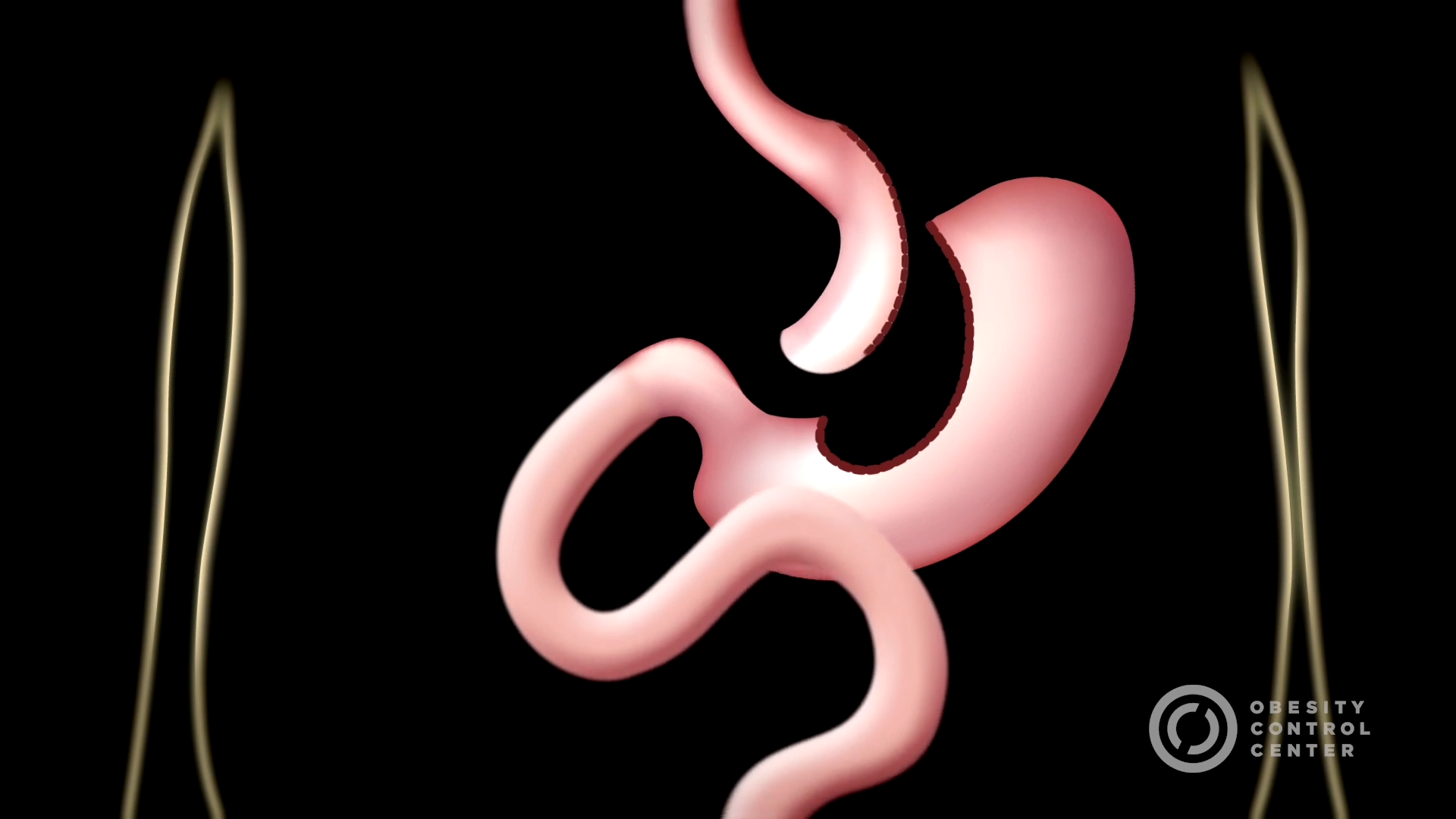
How to fix a failed bypass
It is a well-known fact that not everyone achieves long-lasting and successful weight loss with gastric bypass surgery (RYGB). It is worth noting that every person submitted to bariatric surgery responds differently. There is no simple explanation since there is a long list of variables for each of the following: patient, procedure, surgeon, technique, follow-up, post-operative “problems,” and more.
It’s fair to say that most patients experience an initial good weight loss response to the procedure. Many have long-lasting results from the initial bypass surgery in maintaining a healthy weight. Successful weight loss is defined by keeping off over half of the excess weight at the time of operation.
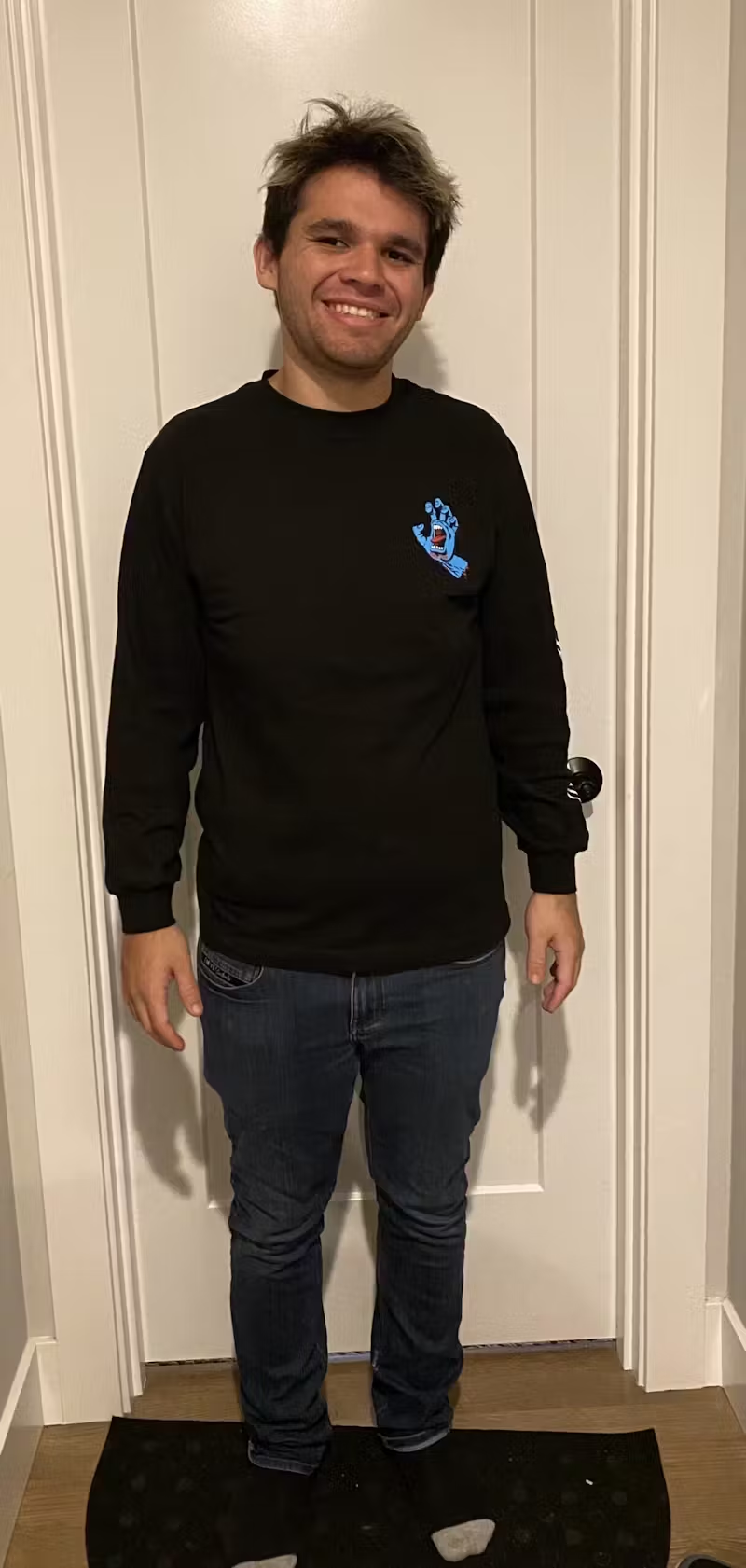
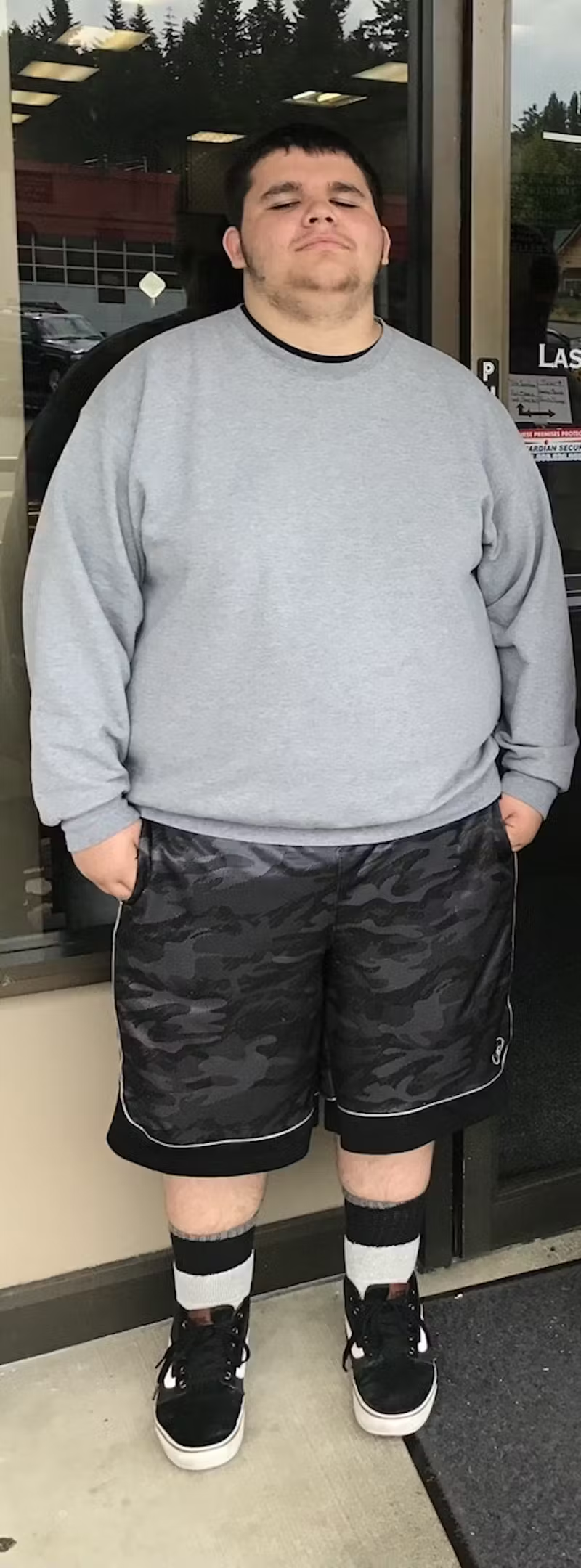
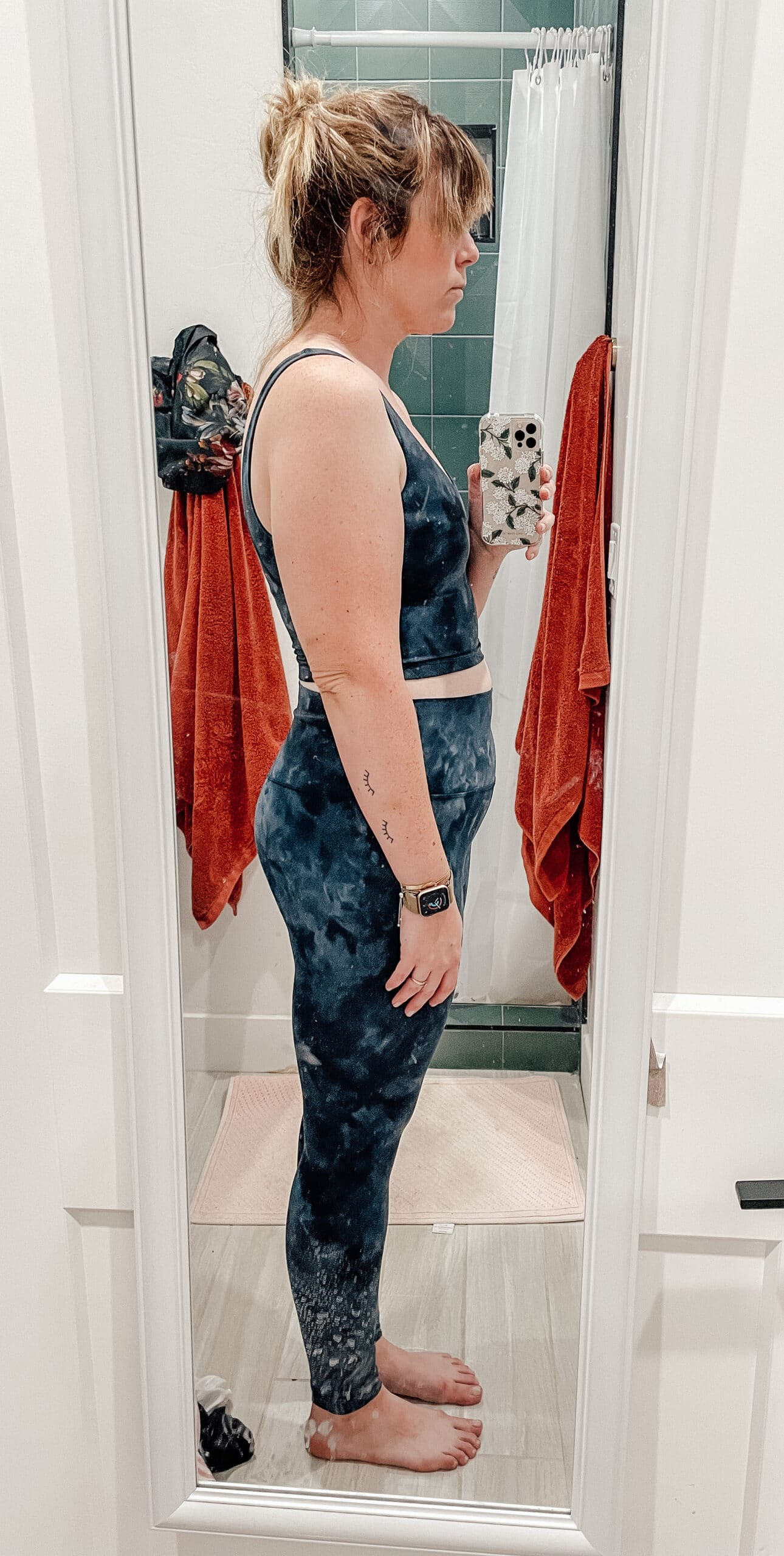
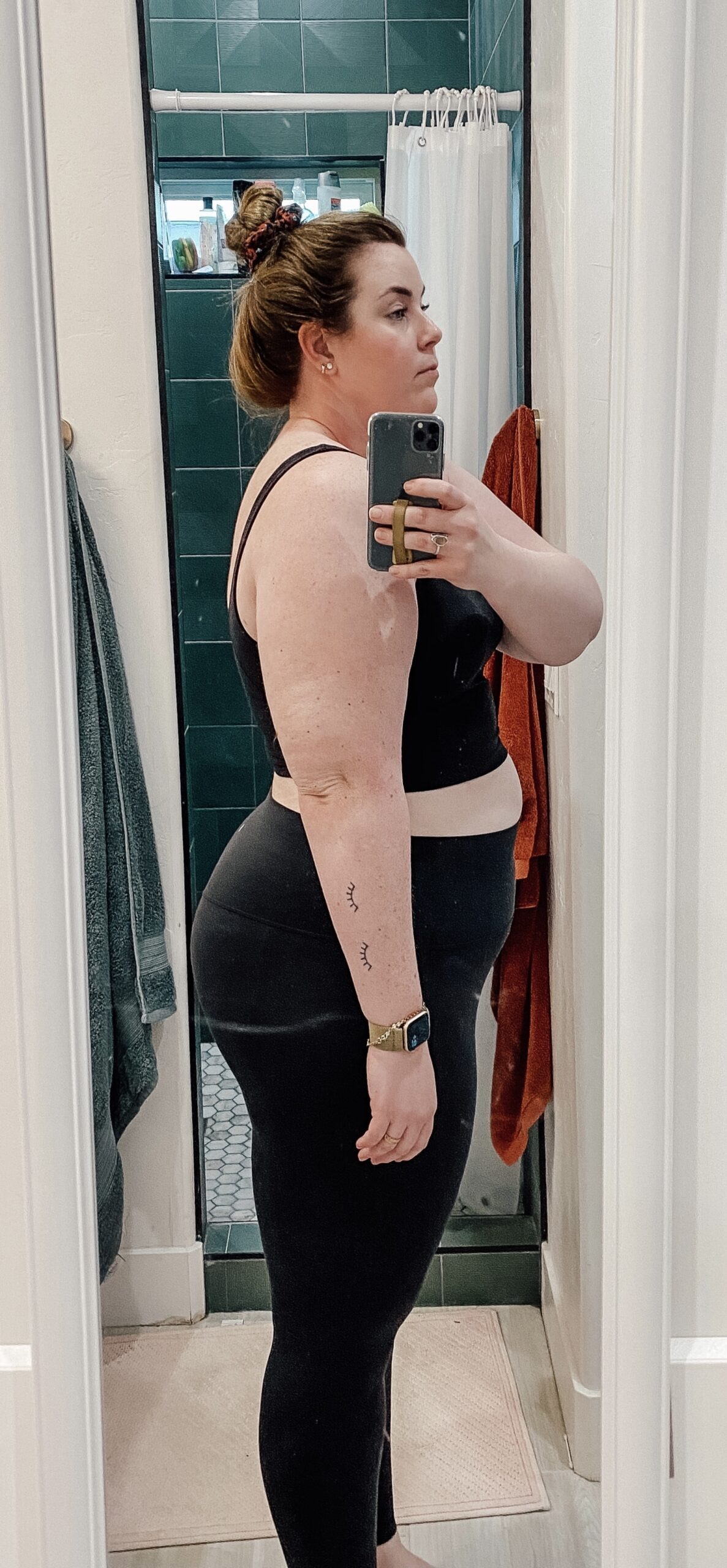
Some of Our Patient Before & After Images


Three basic ways ofrevising a gastric bypass
✓Increasing restriction — most commonly used
✓Increasing malabsorption
✓Conversion to another procedure.
No complications? It is possible at OCC.
Rare chronic complications related to AGB, such as slippage (the band slips down on the stomach) or erosion (bans migrates to the inside of the stomach), are much lower in patients who have had a gastric bypass. At OCC, we are proud to report no complications in our accumulated 18 years of experience with this procedure. Close follow-up is necessary to obtain the best results possible.

Surgical techniques: laparoscopy and endoscopy
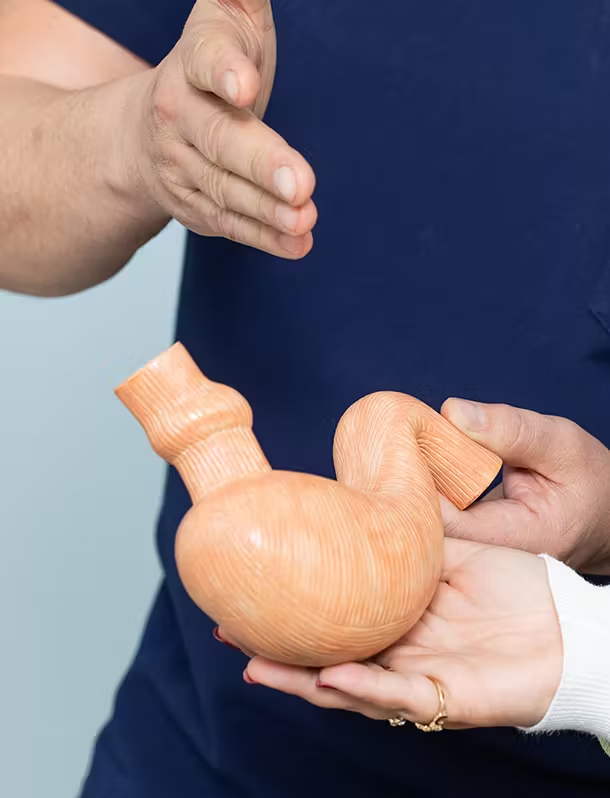
Surgeons increase restriction through laparoscopic or endoscopic methods.Our surgeons can also utilize endoscopic methods that require no incision and are performed with an upper endoscopy. These include the StomaPhyx and Rose procedures. Both create folds around the stoma (gastric pouch outlet), substantially reducing its diameter while also reducing the size of the stomach pouch.
Patients report less weight loss and durability with this type of technique. Laparoscopic procedures to increase restriction are limited, but more effective. The one that stands out is the adjustable gastric band system (AGB) on top of the gastric pouch. It can be regulated or adjusted to achieve the restriction needed to lessen food volume intake and obtain more weight loss.


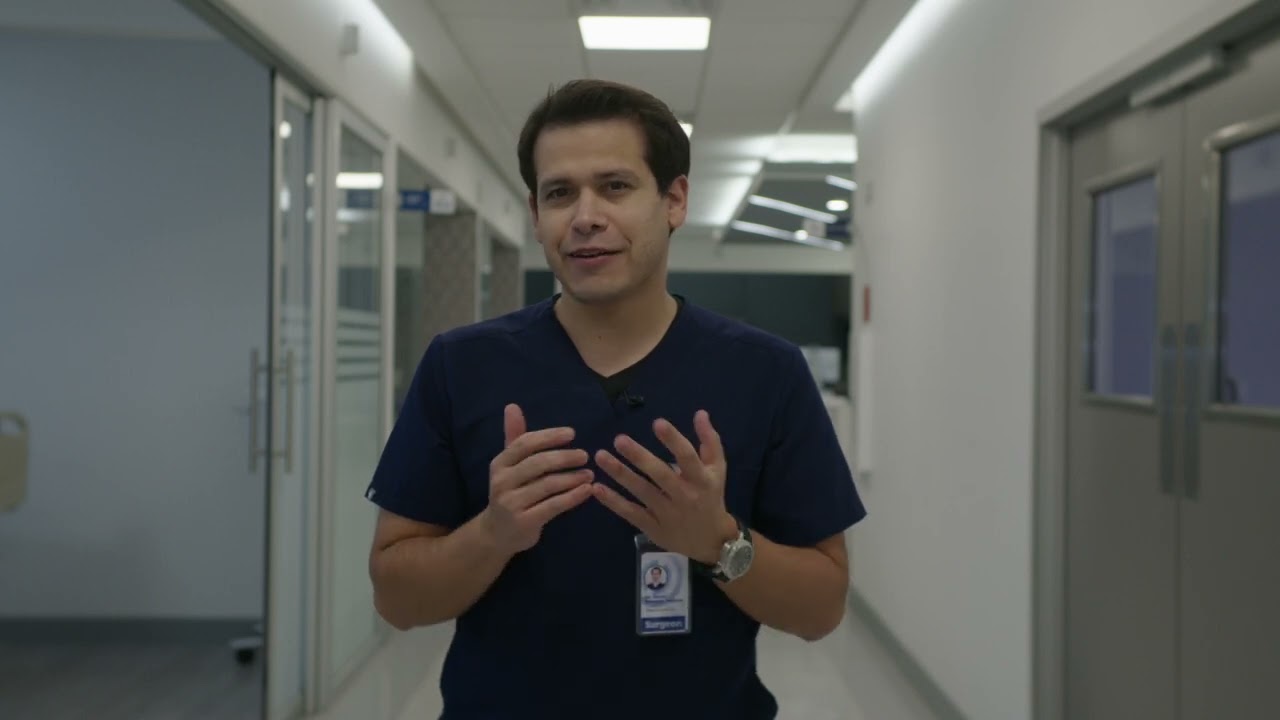
FAQ
A failed weight-loss procedure can be defined as one that has resulted in:
- Less than 50% loss of the expected weight loss
- Weight loss followed by partial, or total regain
- An intolerance to normal/solid foods
- Signs that the overall quality of life is diminishing
- Additional health issues caused by the procedure
Like in life, preparation is essential for a successful outcome, mentally, physically, and nutritionally. Additional requirements may be suggested depending on your specific case.
Preoperative weight loss will detox your liver, making it lighter, and resulting in a quicker, safer weight loss procedure with less impact on your overall status. Even 5% of total body weight loss will result in a dramatic improvement in your ability to respond to surgical stress.
Nourishment at a cellular level will require you to compensate for the deficiencies you have accumulated over the years and the deficiencies expected after weight loss surgery. Research has proven that the only way to replenish these deficiencies is through Bariatric Supplementation. This means that a Bariatric Multivitamin and a Bariatric Protein source prior to the Gastric Bypass will enormously increase your safety profile and a successful outcome. Mental preparation includes looking at the way we relate to food and being proactive about a healthier diet and lifestyle.
Depending on the type of bariatric surgery requested, prices can vary from around $5,400 to $9,000 dollars. We suggest you look into testimonials online, talk to other patients, and don’t be misled by price. The savings by coming to OCC is around 50% of the cost in the US. Don’t risk it by looking for the lowest price. Your health and wellbeing are very valuable.
Included in the cost of your bariatric surgery:
- 1 night stay at our world-renowned hospital
- 1 night stay at a local 5-star hotel
- Luxury transportation to and from the San Diego International Airport
- Team of three Board Certified surgeons, including two anesthesiologists
- All operating room costs and surgical materials
- All pre-op evaluations and follow-up care
At OCC, we have more than 26,000 patients that have traveled to our center with no major security incidents to report. We are at the heart of the commercial district, less than half a mile away from the international border to the U.S.A. Tijuana is now the second busiest medical destination for the traveling patient. At OCC, we are glad to be an essential part of this great reputation, as we have accreditations for health and safety in gastric revision surgery.
OCC’s complication rate is one of the lowest in the published literature.
Our process at OCC includes a gentle but short procedure that results in a quick recovery. The OCC difference includes specialized instruments and bladeless abdominal wall trocars. Localized abdominal wall blocking agents diminish the cascade of mediators that cause pain and inflammation. We use half the amount of gas pressure, where others use 20mm/hg, we use 10 to 12mm/hg. This results in less of the dreaded “gas pressure pains” associated with laparoscopic surgery. Our operating time is a fraction of the typical time reported in the literature. We’re in no hurry, we have simply streamlined the process. Less time under anesthesia means quicker recovery times.
We can say very proudly that our mortality rate is zero percent. We value health and wellbeing and will never perform a procedure on someone who is either not well prepared medically or has a risk higher than acceptable.
Like any surgical procedure, complications can happen like leaks, bleeding, hernias, and chronic heartburn. Preparation is key to a successful outcome, and we will be holding your hand all the way. Our complication rate is one of the lowest published in the literature. In fact, our leak rate is 0%, and with the implementation of the new techniques designed at OCC, our patients are experiencing substantial and permanent weight loss without the undesirable symptom of heartburn.
Heartburn and reflux seem to be the predominant complaint after sleeve gastrectomy. At OCC, we have adjusted the technique to let the body heal properly and avoid this uncomfortable and common symptom months after the surgery is performed.
There are symptoms after having any type of surgery that are related to anesthesia (sleepiness, dizziness, nausea, etc.) and others directly associated with the gastric sleeve itself (cramping, abdominal tenderness, vomiting). Fortunately, these are kept to a minimum and medically treated early so most patients can be up on their feet in a couple of hours and discharged the morning after. Many actually are out shopping the day after surgery!
Revision surgery depends on the original procedure and what the problem is. These patients undergo an initial evaluation through our program and are ultimately scheduled for revision surgery already knowing the possibilities of completing the surgery in a single step. Over 99% of these patients are done in a single step, in other words, one surgical event.
Most patients require several months to adapt to the changes of the surgery. This is usually predictable so our nutritionist will always prescribe a nutritional regimen that is easy to follow and will allow you to gradually move up to the following stage. You will start with a liquid diet for a few days, then move on to liquids including the Bariatric Protein Meals. You can slowly start eating mushy foods and then, finally, a normal diet.
Daily activities and exercise should also progress at the same rate, but the surprising fact is that most patients recover much quicker than they thought; in fact, energy levels are usually higher than expected when the nutrition plan includes the Bariatric Multivitamin and Bariatric Protein Shakes recommended by our team of experts.
The only thing you can’t do after surgery is overeating without having severe discomfort, nausea, or even vomiting. Ideally, most patients will return to three normal meals a day and three snacks between meals.
Gastric bypass is producing a substantial amount of weight loss in a relatively short period of time. A 65% EWL (excess weight loss) at 18 months is reported in general in the literature. For example, a patient that needs to lose 100 pounds (100 lbs. excess weight) will lose at least 65 pounds.
Other factors that influence the total weight loss include how well prepared the patient is before surgery. Preparation not only includes mental and physical preparation, but it also includes nutritional preparation, and it seems to be one of the most important determining factors for success. Pre-operative preparations include supplementation and protein intake. This is why you will see that all patients at OCC undergo pre-surgery preparation and are followed for 5 years after the procedure. OCC Wellness is an online program that helps you achieve your goals.
It starts with liquids during the first few days gradually progressing to mushy food. Then semi-solid foods are eaten, moving on to full solids. All this happens during the first couple of months. The good news is massive weight loss occurs during this time and all the health indicators dramatically get better during this period.
On average, most patients can tolerate around 30% of their pre-surgical intake after the stomach or pouch adjusts. This restriction is enough to maintain the weight loss through the years. Patients that expand their stomach to a point where they can eat more than 50% of their pre-surgical intake can be candidates for a quick stomach revision, which entails performing a running stitch to adjust the size of the plicated stomach over a calibration tube.
In fact, this technique is so effective that patients who have a gastric sleeve with the same type of stomach stretching are candidates for the same technique. Simply sewing the staple line over a calibration tube can adjust the size of the sleeve. These procedures tend to be quick and effective with little downtime where patients regain the original restriction they had after the surgical procedure.
Patients will notice once they are past the liquid phase and eating full solids that the restriction level will result in around a third of the original meal volume. Eating a third of your typical meal will definitely induce weight loss and better overall health.
Recent studies show that the inner lining of the stomach can start healing in as little as 6 hours! It is important to follow all the guidelines that we teach our patients prior to surgery which results in an uneventful recovery and a good outcome.
References
J Dang, N Switzer, J Wu, et al. Gastric Band Removal in Revisional Bariatric Surgery, One-Step Versus Two-Step: a Systematic Review and Meta-analysis. Obesity Surgery (2016), 26:4
S Brethauer, S Kothari, R Sudan, et al. Systematic review on reoperative bariatric surgery American Society for Metabolic and Bariatric Surgery Revision Task Force. Surg Obes Relat Dis 10 (2014) 952–972.
